
Many older homeowners want extra financial flexibility during retirement. Because of that, understanding the reverse mortgage pros and cons becomes important before making a decision. A reverse mortgage can help homeowners access equity without selling their home, yet it also comes with long-term responsibilities that borrowers should fully understand before applying.
For many retirees, monthly expenses continue to rise while retirement income stays the same. Therefore, South Carolina Reverse Mortgage Services helps homeowners understand how these loans work and whether they fit their financial goals. Instead of rushing into a loan, homeowners should carefully review both the benefits and drawbacks first.
Understanding Reverse Mortgage Pros and Cons Before You Apply
A reverse mortgage allows eligible homeowners to convert part of their home equity into available funds. Unlike a traditional mortgage, repayment is generally delayed until the homeowner moves, sells the property, or passes away. As a result, many seniors use this option to improve cash flow during retirement.
At the same time, borrowers still remain responsible for:
- Property taxes
- Homeowners insurance
- Home maintenance
- HOA fees when applicable
Because these obligations continue, homeowners should review their financial situation carefully before moving forward.
The Financial Benefits Homeowners Often Appreciate
When discussing reverse mortgage pros and cons, many homeowners first focus on the financial advantages. In some situations, reverse mortgage loans can reduce financial stress and improve retirement planning.
Potential benefits include:
- Access to tax-free loan proceeds
- No required monthly mortgage payments on the loan balance
- Ability to remain in the home longer
- Flexible payout options
- Additional retirement cash flow
In many cases, homeowners use the funds for healthcare costs, home updates, debt consolidation, or daily living expenses. Consequently, the loan can provide breathing room during retirement years.
Reverse Mortgage Pros and Cons for Long-Term Retirement Planning
Although the benefits sound appealing, homeowners should also examine the long-term impact. Evaluating reverse mortgage pros and cons means looking beyond immediate financial relief.
For example, loan balances increase over time because interest accrues on the amount borrowed. Therefore, the remaining home equity may decrease over the years. This factor can affect future inheritance plans for family members.
Additionally, homeowners who plan to move within a few years may not benefit as much from the loan. Because upfront costs exist, short-term use may not provide enough financial advantage.
South Carolina Reverse Mortgage Services often encourages borrowers to compare several retirement strategies before choosing a loan structure.
Important Questions to Ask Before Applying
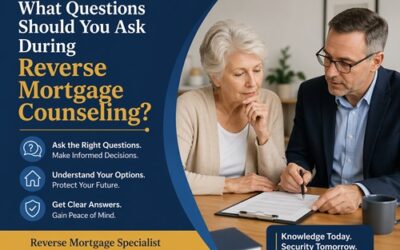
Before completing any paperwork, homeowners should ask detailed questions about the loan process and future obligations. A clear understanding now can help prevent confusion later.
Questions worth discussing include:
- How will interest accumulate over time?
- What happens if the homeowner moves?
- How will heirs handle the property later?
- What fees are involved upfront?
- Which payout option best fits retirement goals?
Working with experienced professionals can make these conversations easier. Some homeowners also choose to speak with a trusted financial planner before applying.
How Reverse Mortgage Pros and Cons Affect Family Decisions
Family conversations are often overlooked during the process. However, discussing reverse mortgage pros and cons with children or heirs can help everyone understand future expectations.
In some cases, heirs may want to keep the property later. Yet the loan balance will need to be repaid when the home is sold or ownership changes. Because of this, transparency with family members helps avoid surprises later.
Homeowners in Charleston SC frequently use reverse mortgages as part of a broader retirement strategy while remaining close to family and familiar communities.
Understanding Loan Eligibility Requirements
Not every homeowner automatically qualifies for a reverse mortgage. Lenders review several factors before approval.
Basic requirements often include:
- Age 62 or older
- Primary residence occupancy
- Sufficient home equity
- Financial assessment review
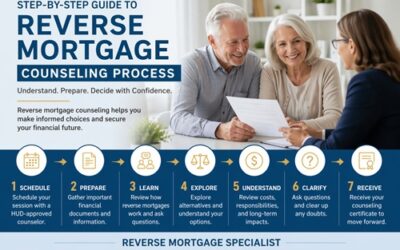
- Completion of counseling sessions
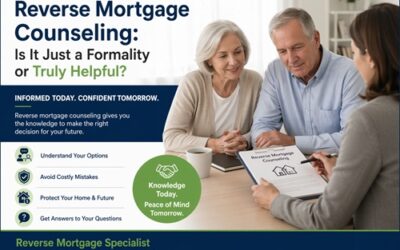
Many borrowers appreciate that mandatory counseling provides education before final approval. As a result, homeowners gain a clearer understanding of responsibilities and expectations.
Some borrowers exploring reverse mortgage loans are surprised to learn that the counseling process is designed to protect consumers and encourage informed decisions.
Comparing Different Loan Options Carefully
Not all reverse mortgages work exactly the same way. Therefore, homeowners should compare loan structures, payout methods, and costs carefully before signing documents.
Experienced reverse mortgage lenders can explain:
- Lump sum options
- Monthly payment structures
- Lines of credit
- Adjustable versus fixed rates
- Closing costs and servicing fees
A knowledgeable reverse mortgage advisor can also explain how different payout strategies may affect long-term retirement planning.
Reverse Mortgage Pros and Cons for Homeowners in Coastal South Carolina

Reverse mortgage loan Charleston SC
Homeowners considering a reverse mortgage in Charleston SC often value the ability to stay in their homes while managing rising retirement expenses. Coastal living expenses, insurance costs, and healthcare needs can increase significantly over time. Therefore, accessing home equity may provide additional flexibility.
Still, every homeowner’s financial situation remains different. While one borrower may benefit greatly, another may find alternative retirement strategies more appropriate.
Because of this, South Carolina Reverse Mortgage Services encourages homeowners to review all available information carefully instead of making emotional decisions.
Common Misunderstandings About Reverse Mortgages
Several myths continue to confuse homeowners today. Fortunately, understanding the facts can make the decision process easier.
Myth: The lender takes ownership of the home
Homeowners still retain ownership as long as loan obligations are met.
Myth: Family automatically loses the property
Heirs can still sell the home, refinance the balance, or keep the property under certain conditions.
Myth: Reverse mortgages are only for struggling homeowners
Many financially stable retirees also use reverse mortgages as part of broader retirement planning.
Is a Reverse Mortgage the Right Choice?
Every retirement plan looks different. Therefore, homeowners should carefully weigh personal goals, long-term housing plans, and financial responsibilities before applying.
A reverse mortgage may work well for homeowners who:
- Plan to remain in the home long term
- Need additional retirement income
- Want flexible access to equity
- Understand the ongoing responsibilities
However, borrowers should always review the full picture instead of focusing only on immediate financial relief.
South Carolina Reverse Mortgage Services helps homeowners understand available options while providing educational guidance throughout the process.
Understanding the full reverse mortgage pros and cons can help homeowners make smarter retirement decisions with greater confidence. If you are considering a reverse mortgage and want honest guidance about your options, contact South Carolina Reverse Mortgage Services today. Their team can explain the process clearly and help you determine whether a reverse mortgage aligns with your long-term financial goals.
South Carolina Reverse Mortgage Services
Charleston, SC 29401
843-491-1436
www.reversemortgagespecialistusa.com/charleston
Areas Served:
Myrtle Beach, SC, Charleston, SC, Columbia, SC, Greenville, SC, Hilton Head Island, SC