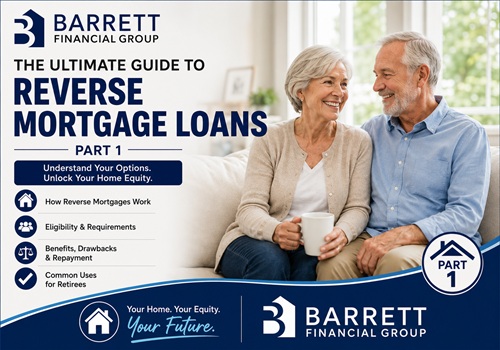
This is Part 1 of our two-part series about the Ultimate Guide to Reverse Mortgage Loans. In this section, we will discuss what reverse mortgage loans are, how they work, eligibility requirements, benefits and drawbacks, repayment considerations, and the most common ways retirees use home equity to support their retirement goals.
In Part 2, we will explore loan costs, HECM for Purchase programs, proprietary reverse mortgage options, jumbo products, and strategies for higher-value homes.
Your home is more than a place to live. It is where memories were made, milestones were celebrated, and life unfolded over the years. For many retirees, it is also their largest financial asset. As home values rise and mortgage balances decline, homeowners often build substantial equity. That is why reverse mortgage loans have become an important retirement planning tool for many older adults seeking greater financial flexibility.
If you are evaluating your options in Columbia SC, understanding how reverse mortgages work can help you make informed decisions about your future.
At Reverse Mortgage Specialist, we believe education comes before decisions. Therefore, this guide was created to help homeowners understand how these unique financial tools work and determine whether they may fit into a broader retirement strategy.
What Are Reverse Mortgage Loans?
A reverse mortgage allows homeowners age 62 and older to convert a portion of their home equity into cash while continuing to live in and own their home.
Unlike a traditional mortgage, borrowers do not make required monthly principal and interest payments. Instead, repayment is generally deferred until the borrower sells the home, permanently moves out, or passes away.
Many retirees explore this option because it allows them to access wealth that is already tied up in their homes without selling the property.
There are two primary types of reverse mortgages:
- Home Equity Conversion Mortgages (HECMs)
- Proprietary or Jumbo Reverse Mortgages
Most borrowers begin by reviewing a trusted reverse mortgage guide to understand which option best aligns with their goals.
How Reverse Mortgage Loans Work
With a traditional mortgage, you make payments to a lender each month and gradually reduce the balance.
With reverse mortgage loans, the process works differently. Instead of sending payments to a lender, eligible homeowners can receive funds from their available equity.
Borrowers must continue to:
- Pay property taxes
- Maintain homeowners insurance
- Keep the property in good condition
- Meet any HOA requirements
Because no required mortgage payments are made, interest accrues over time and becomes part of the loan balance.
Ways to Access Your Equity
One of the most attractive features of a reverse mortgage is flexibility.
Borrowers may receive funds through:
- A lump-sum payment
- Monthly tenure payments
- Monthly term payments
- A line of credit
- A combination of income and line-of-credit options
During a professional reverse mortgage consultation, borrowers can compare payout options and determine which strategy best supports their retirement goals.
How Much Can You Borrow?
The amount available depends on several factors:
- Age of the youngest borrower
- Home value
- Current interest rates
- Available equity
Generally, older borrowers qualify for a higher percentage of their home’s value.
For homeowners throughout Columbia SC, available proceeds vary significantly based on these factors, making personalized analysis essential.
Reverse Mortgage Loans and the Line of Credit Advantage
One of the most popular features of reverse mortgage loans is the Home Equity Conversion Mortgage line of credit.
Unlike many traditional credit lines, a HECM line of credit offers several unique advantages:
- It cannot be frozen if loan requirements are met.
- Unused funds grow over time.
- Borrowers can draw funds when needed.
- Available credit may increase in future years.
This feature provides flexibility for retirees who want to prepare for unexpected expenses without immediately borrowing funds.
Eligibility Requirements
Not everyone qualifies automatically. However, qualification standards are often more flexible than many traditional lending programs.
Basic requirements include:
- Age Requirement: At least one borrower must generally be 62 years old or older.
- Equity Requirement: Most borrowers need substantial home equity, often 50% or more.
- Financial Assessment: Lenders review income, credit history, and the ability to continue paying taxes and insurance.
Property Requirements
Eligible properties may include:
- Single-family homes
- FHA-approved condominiums
- Certain manufactured homes
- Owner-occupied multi-unit properties
Before closing, borrowers must complete a reverse mortgage loan application and satisfy all program requirements.
The Benefits of Reverse Mortgage Loans
Reverse mortgage loans in Myrtle Beach SC
Reverse mortgages can provide meaningful financial advantages when used appropriately.
Potential benefits include:
- Increased cash flow flexibility
- Access to home equity without selling
- No required monthly mortgage payments
- Ability to remain in the home
- Flexible distribution options
- Non-recourse protections
- Potential preservation of retirement assets
Many homeowners who initially have reverse mortgage fears discover that modern HECM programs contain significant consumer protections that did not exist decades ago.
Understanding the Potential Drawbacks
Like any financial product, reverse mortgages have limitations.
Potential disadvantages include:
- Loan balances generally increase over time
- Upfront costs may be higher than some alternatives
- Less home equity may remain for heirs
- Existing mortgages typically must be paid off
- Certain public assistance programs may be affected
Therefore, borrowers should carefully evaluate both benefits and drawbacks before making a decision.
What Happens When Reverse Mortgage Loans Becomes Due?
A reverse mortgage typically becomes due when:
- The borrower sells the home
- The borrower permanently leaves the property
- The last borrower passes away
- Loan obligations are not maintained
Importantly, heirs are protected because HECM loans are non-recourse loans. They generally never owe more than the home’s value when the property is sold.
Many borrowers work with experienced reverse mortgage lenders to ensure family members understand their future options.
Addressing Common Reverse Mortgage Fears
Many homeowners hesitate because of outdated information.
Some common concerns include:
- “Will the bank own my house?“
- “Can my heirs inherit the property?”
- “Will I lose control of my home?”
- “What happens if housing values decline?”
Fortunately, today’s federally insured HECM program includes safeguards designed to protect borrowers and their families. As a result, many of these reverse mortgage fears stem from misconceptions rather than current lending guidelines.
Common Uses for Reverse Mortgage Loans
Retirees use reverse mortgages in many different ways depending on their financial objectives.
Refinancing an Existing Mortgage
Many homeowners use proceeds from reverse mortgage loans to pay off an existing mortgage and eliminate mandatory monthly mortgage payments.
Home Improvements
Funds can be used for:
- Accessibility upgrades
- Bathroom renovations
- Roof replacement
- Aging-in-place modifications
Medical and Long-Term Care Planning
Health care costs continue to rise. Consequently, some retirees use home equity to help prepare for future medical expenses.
Supporting Family Members
Homeowners may choose to assist children, grandchildren, or charitable causes while they are still able to enjoy the impact of their generosity.
Debt Consolidation
Some retirees use available proceeds to pay off high-interest debt and improve monthly cash flow.
Creating an Emergency Fund
A line of credit can provide access to funds during unexpected financial situations.
Enhancing Retirement Lifestyle
Many retirees simply use their home equity to create greater financial confidence and flexibility throughout retirement. As homeowners continue exploring retirement planning options with the help of Reverse Mortgage Specialist, understanding these common uses helps clarify how reverse mortgages fit into broader financial strategies.
This concludes Part 1 of The Ultimate Guide to Reverse Mortgage Loans. We discussed what reverse mortgages are, how they work, qualification requirements, major benefits and drawbacks, repayment considerations, and common uses for home equity in retirement.
In Part 2, we will examine reverse mortgage costs, mortgage insurance, HECM for Purchase programs, proprietary reverse mortgage products, jumbo solutions, and strategies designed for higher-value homes.
At Reverse Mortgage Specialist, our goal is to help homeowners make informed decisions through education and personalized guidance. If you are considering your options, now is an excellent time to learn how a reverse mortgage may fit your retirement plans.
Learn more about reverse mortgages on our Facebook page.
Reverse Mortgage Specialist
Columbia, SC 29205
843-491-1436
www.reversemortgagespecialistusa.com/columbia
Areas Served:
Myrtle Beach, SC, Charleston, SC, Columbia, SC, Greenville, SC, Hilton Head Island, SC