For Hilton Head homeowners age 62 and older, understanding the reverse mortgage process can make an important financial decision easier. From the first conversation to receiving funds, each stage serves a purpose. Knowing what happens, what documents you need, and which questions to ask helps you move forward with confidence.
Reverse Mortgage Specialist of Hilton Head helps local homeowners explore their options and understand the steps involved. Whether you want to supplement retirement income, access home equity, or create a financial safety net, learning about the loan before applying is essential.
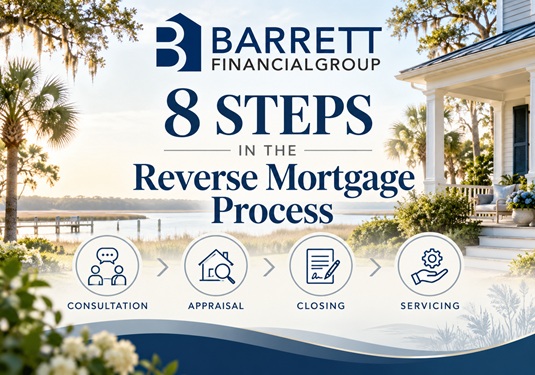
Step 1: Reverse Mortgage Process — Education and Consultation
The first step involves learning how a reverse mortgage works. A Home Equity Conversion Mortgage (HECM) allows eligible homeowners to convert part of their home equity into available funds without selling their homes.
Unlike traditional mortgages, HECMs do not require monthly principal and interest payments. However, homeowners must continue paying property taxes, maintaining homeowners insurance, keeping the property in good condition, and meeting occupancy requirements.
During a reverse mortgage consultation, a specialist reviews your goals, homeownership situation, and possible loan options.
Questions to ask:
- How much home equity could I access?
- What upfront costs and ongoing fees apply?
- Will an existing mortgage need to be paid off?
- How could this loan affect my spouse or heirs?
Step 2: Complete HUD-Approved Counseling
Before moving forward with a federally insured HECM, homeowners must complete reverse mortgage counseling with an independent HUD-approved counseling agency.
The counselor explains loan costs, repayment obligations, alternatives, and possible effects on your financial situation. You can also discuss what happens if you move, sell the property, or pass away.
After successfully completing counseling, you receive a certificate that your lender needs to continue processing the loan.
Questions to ask:
- What responsibilities will I have after closing?
- Under what circumstances could the loan become due?
- What happens if one spouse remains in the home?
Step 3: Submit Your Loan Application
Once you complete counseling and decide to proceed, the lender collects information to evaluate eligibility.
The reverse mortgage loan application typically requires documentation showing your identity, age, property ownership, existing mortgage balances, income, assets, and financial obligations.
You may need to provide:
- Government-issued identification
- Mortgage statements, if applicable
- Property tax and homeowners insurance information
- Income and asset documentation
- Counseling completion certificate
Your lender also provides disclosures outlining estimated borrowing amounts, interest rates, fees, and loan terms.
Question to ask: Which documents should I prepare to prevent unnecessary delays?
Step 4: Property Appraisal and Home Evaluation
Next, an FHA-approved appraiser evaluates the property to determine its value and assess its condition.
For Hilton Head homeowners, the appraisal considers factors such as location, size, condition, and comparable property sales. Coastal properties may also require closer attention to maintenance conditions and applicable property standards.
The appraisal helps establish the home’s eligible value for loan calculations. If the appraiser identifies repairs that affect FHA requirements, the lender will explain whether you must complete them or can address them through an approved arrangement.
Questions to ask:
- How does the appraisal affect my available funds?
- What happens if the property needs repairs?
Step 5: Underwriting and Financial Assessment
During underwriting, the lender reviews your application, appraisal, financial information, and eligibility.
Because reverse mortgage loans have ongoing homeowner obligations, lenders also assess whether borrowers can reasonably meet property-related expenses. These include taxes, insurance, and other required housing costs.
In some cases, the lender may require a Life Expectancy Set-Aside (LESA) to help cover certain future property charges.
Reverse Mortgage Specialist of Hilton Head can help homeowners understand what documentation lenders request and why additional information may be necessary.
Questions to ask:
- What could delay approval?
- Will I need funds set aside for taxes or insurance?
- What conditions must I satisfy before closing?
Step 6: Reverse Mortgage Process — Closing and Signing
 After the lender approves the loan, you review the final terms and schedule closing.
During closing, you sign documents explaining the interest rate, financing costs, repayment conditions, and borrower responsibilities. Take time to review everything before signing.
For most HECM loans involving an existing home, homeowners receive a three-business-day right to cancel after closing. This rescission period generally does not apply to HECM loans used to purchase a home.
Questions to ask:
- What are my total closing costs?
- When does my cancellation period end?
- What events would make the balance due?
Step 7: Choose How to Receive Your Funds
After closing and any required waiting period, the lender arranges disbursement according to the loan terms.
Depending on the HECM structure, homeowners may receive funds through a line of credit, monthly payments, an initial disbursement, or permitted combinations.
However, initial withdrawal limits may apply, especially during the first 12 months. Existing mortgage payoffs, fees, and required set-asides can also reduce the amount immediately available.
Question to ask: Which payment option best supports my retirement expenses and future needs?
Step 8: Understand Loan Servicing and Ongoing Responsibilities
The loan continues after you receive your funds. A loan servicer manages account records, statements, disbursements, and required borrower communications.
Homeowners must generally keep the property as their principal residence, maintain it, and meet tax and insurance obligations. The servicer may request annual occupancy certification.
These responsibilities remain important throughout the loan’s life. Failing to meet them can cause the loan to become due.
Common Reverse Mortgage Questions From Hilton Head Homeowners
How long does the process take?
Timelines vary based on counseling availability, appraisal scheduling, documentation, underwriting, and lender requirements. Ask your lender for an estimated schedule.
Do I give up ownership of my home?
No. You remain the homeowner and retain title, provided you comply with loan terms.
When must the loan be repaid?
Repayment generally becomes due when the last surviving borrower dies, sells the home, permanently moves out, or fails to meet loan obligations. Special protections may apply to eligible non-borrowing spouses.
Understanding the reverse mortgage process helps you evaluate your options without unnecessary pressure. Every homeowner’s situation differs, so it is important to review costs, benefits, and long-term responsibilities before deciding.
Call Reverse Mortgage Specialist of Hilton Head to discuss your retirement goals, ask questions, and learn whether a reverse mortgage may fit your financial plans.
Learn more about reverse mortgages on our Facebook page.
Reverse Mortgage Specialist of Hilton Head
Hilton Head Island, SC 29926
843-491-1436
www.reversemortgagespecialistusa.com/hilton-head
Areas Served:
Myrtle Beach, SC, Charleston, SC, Columbia, SC, Greenville, SC, Hilton Head Island, SC